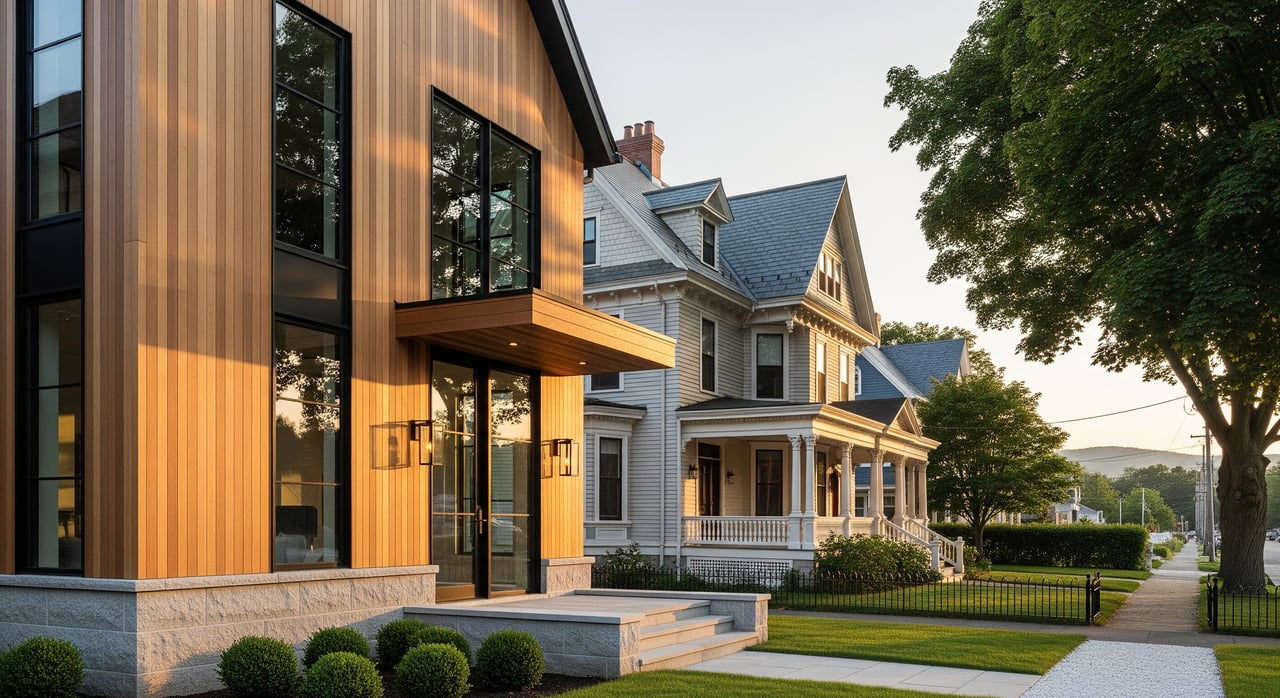
Trying to decide between a brand‑new build and a character‑rich resale in Saratoga Springs? You are not alone. Location, timing, and budget all factor in, and the tradeoffs are real. In this guide, you will learn how local rules, climate, costs, and timelines shape your choice so you can move forward with confidence. Let’s dive in.
Saratoga Springs market reality
Saratoga Springs offers a mix of historic downtown neighborhoods, established suburbs, and nearby townships. Buyers often value walkability, access to cultural amenities, and commuting routes to Albany and the I‑87 corridor. If you want a central location, know that buildable infill lots are limited and often carry a premium.
Historic preservation rules and design review apply to parts of the city. That can affect exterior changes and new construction feasibility. If you are weighing a teardown or major remodel, plan for extra time for city approvals.
Climate matters. Winters in Upstate New York shorten the prime building season. Builders often schedule excavation and framing from spring to fall, which can stretch timelines if your project crosses into winter.
Cost comparison: new vs resale
Before you fall in love with a floor plan or porch, look at the full cost picture. Think beyond the sticker price and consider five to ten years of ownership.
Resale: typical costs
- Purchase price plus closing costs, including lender, title, attorney, recording, and transfer taxes.
- Inspections and near‑term repairs or updates. Older homes may need roof, HVAC, electrical, plumbing, or cosmetic work.
- Early maintenance in years one to five. Budget for replacement appliances, insulation upgrades, or window work if needed.
- Property taxes and assessments, which can be higher in highly desirable neighborhoods.
New construction: typical costs
- Lot acquisition, which can be a large share in central or walkable areas.
- Hard construction costs for foundation, framing, systems, and finishes.
- Soft costs for permits, engineering, utility hookups, survey, and plans.
- Builder overhead and profit, plus upgrade allowances for finishes and landscaping.
- Early‑stage items like driveway, patio, and initial landscaping, along with standard builder warranties.
Saratoga drivers that move the needle
- Lot premiums near downtown or top‑demand school areas increase acquisition costs.
- Builder type matters. Production builders can spread costs across many homes. Custom builds usually run higher per square foot.
- Site work and utilities can swing budgets, especially on tight infill parcels or sloped lots.
- New York energy codes push higher efficiency. You may pay more upfront but spend less to operate the home.
Focus on total cost of ownership
- Acquisition: price, lot, and closing costs.
- Near‑term projects: immediate repairs for resale or upgrades for a new build.
- Carrying costs during a build: rent or a second mortgage until you move in.
- Ongoing costs: maintenance, utilities, and property taxes.
- Incentives: seller credits on resale or builder incentives on new construction.
Timeline and process differences
Resale timeline
- Search and offer can take weeks to months depending on inventory.
- Inspections usually occur within 7 to 14 days, and you may negotiate repairs or credits.
- Mortgage underwriting and appraisal typically take 30 to 45 days.
- Many closings finish within 30 to 60 days from contract, or faster with cash.
New construction timeline
- Lot purchase and site prep may take 1 to 3 months depending on permitting.
- Permits and potential design review can take several weeks to several months, especially in historic or design‑review areas.
- Construction often runs 6 to 12 months for a single‑family home. Winter can extend this.
- Expect final inspections, punch list work, and a certificate of occupancy before move‑in.
Transaction differences to expect
- Contingencies: resale buyers commonly use inspection contingencies. New‑build contracts focus on specifications and warranty terms, with different inspection scope.
- Timing: resale closings are usually more predictable once financing clears. Builds can shift due to weather or materials.
- Risk: builder contracts may pass schedule and change‑order risks to the buyer. Careful contract review is essential.
Finishes, warranties, and efficiency
Customization and character
- New construction gives you choices on layout, systems, and finishes within your builder’s program. High‑end upgrades add cost quickly.
- Resale offers instant curb appeal and mature landscaping. Remodeling is possible but may trigger code upgrades or historic review.
Warranties and maintenance
- New homes typically include a builder warranty. Many provide workmanship coverage around one year and longer coverage for systems or structure based on the contract.
- Resales usually have no structural warranty. You can purchase a third‑party home warranty, but it may not cover larger issues.
Energy and operating costs
- New builds must meet current codes, often with better insulation, windows, and high‑efficiency systems. That can lower monthly bills.
- Resales can be retrofitted, but upgrades like insulation, mechanicals, or windows can be costly and may face design constraints in certain districts.
Negotiation and financing
Negotiation dynamics
- Resale: seller motivations vary. It is often easier to negotiate repair credits, closing‑cost help, or price adjustments after inspection.
- New construction: base prices are less flexible. Builders more commonly offer incentives like closing‑cost help, upgrade packages, rate buydowns, or appliance bundles. Lot premiums are common and usually firm.
Financing differences
- Resale purchases typically use conventional, FHA, VA, or USDA loans.
- New construction may require a construction loan or a construction‑to‑permanent loan. Draws occur during the build, with inspections and often higher down payments.
- Appraisals need accurate cost verification. Cash simplifies the build process.
Risk management tips
- New builds: get detailed written specs, allowance schedules, completion targets, warranty terms, change‑order pricing, and a clear draw schedule. Consider legal review of the builder contract.
- Resales: order comprehensive inspections, confirm permits on recent renovations, and request utility and maintenance history.
Decision framework you can use
- Budget: include down payment, upgrade capacity, and any carrying costs during construction.
- Location: if you need to be close to downtown or in a specific neighborhood, resale may be more realistic due to lot scarcity.
- Timing: if you have a firm move‑in date, resale or a finished model home is often safer.
- Must‑haves: if layout, modern tech, or energy features are nonnegotiable, a new build may fit better.
- Maintenance: prefer low upkeep and new systems, or comfortable tackling renovations for character and location.
- Resale value: look at neighborhood comparables and how your finish choices line up with area norms.
Next steps in Saratoga Springs
- Get local comps and current days‑on‑market data from a trusted agent.
- If you are considering a new build, speak with builders about timelines, standard finishes, and allowance structures. Ask for recent references.
- Review the City of Saratoga Springs permit and design‑review steps if you plan exterior changes or a new build in a controlled district.
- Talk to a lender experienced with construction‑to‑permanent loans early to clarify down payment, documentation, and appraisal requirements.
When you are ready to compare specific homes or explore builders and lots, connect with a local advocate who understands both sides of the process. Reach out to Rebekah O'Neil for a clear plan tailored to your timing, budget, and Saratoga Springs priorities.
FAQs
How long does it take to build a home in Saratoga Springs?
- Many single‑family builds take 6 to 12 months after permits, with winter possibly adding time.
What should I expect in a new‑build contract?
- Look for detailed specs, allowances, timeline targets, warranty terms, change‑order pricing, and draw schedules, and consider legal review.
Can I negotiate with builders the same way as resale sellers?
- Builders often prefer incentives like closing‑cost help, upgrades, or rate buydowns rather than lowering base price.
Do historic districts affect remodels or new construction?
- Yes. Certain areas have design review that can lengthen approvals and limit exterior changes, so plan your timeline accordingly.
How do winters impact construction in Upstate New York?
- Cold weather can delay excavation, framing, and exterior work, so many builders prioritize site work from spring to fall.
What inspections should I order on a resale in Saratoga County?
- Schedule a full home inspection and consider pest, radon, and septic or municipal hookup checks, plus permit verification on past work.