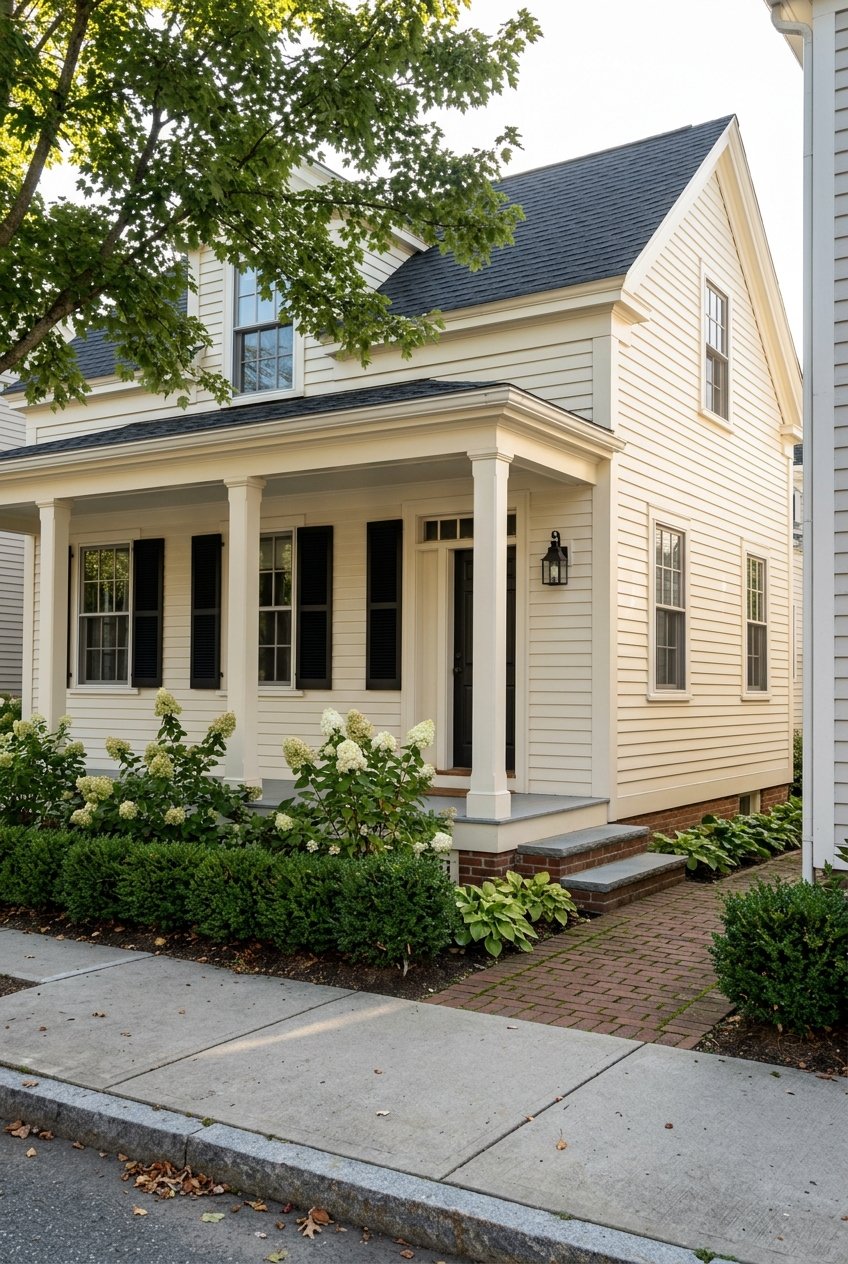
Historic Homes And Village Living In Ballston Spa
April 2, 2026
April 2, 2026
If you want a home with real character, Ballston Spa is hard to ignore. This village blends centuries-old architecture, a compact downtown, and the kind of everyday convenience that makes local living feel connected and practical. If you are considering a move here, understanding how historic homes and village living work together can help you buy with more confidence. Let’s dive in.
Ballston Spa has deep roots. The village was settled in 1771 and incorporated in 1807, and its early identity grew around mineral springs before evolving into a mill and commercial village, according to the village's historical sketch.
That long history still shows up in the built environment. Instead of one dominant architectural style, you will find a layered mix of periods and property types that reflect how the village changed over time.
One of the most interesting parts of Ballston Spa is that its historic housing stock is not limited to one look. The village highlights buildings such as the Ballston Spa National Bank as a c. 1820 Late Federal structure, Brookside as originally built in 1792, and the Medbery Hotel as a building that began in 1804 and evolved through the 19th century.
The village history also points to late Victorian commercial blocks along Milton Avenue and Front Street. For you as a buyer, that means older Ballston Spa offers variety, not sameness. A home here may reflect a very different era than the one next door, and that is part of the appeal.
Ballston Spa is not just about old houses. It is also about how those homes connect to the village itself.
The village describes downtown as something many nearby residents can reach in less than five minutes, placing homes close to cafés, restaurants, the library, the post office, and Wiswall Park on the downtown page. Front Street and Milton Avenue form much of that daily center, with both streets tied closely to the village's history and present-day activity.
That setup can make a big difference in how you experience daily life. Instead of driving everywhere, you may find yourself enjoying a more connected, street-oriented routine in the village core.
Ballston Spa's historic-district guidance makes it clear that the village contains a range of architectural styles and that preserving historic character matters. The village notes that the historic district was established in 1984 and extends across much of the village along Route 67 from West High Street to Eastern Avenue, based on the historic district guidelines introduction.
The same guidance is especially useful when you are touring homes. It identifies common exterior materials such as wood shingles and siding, masonry, stone, and brick, and it notes that historic roof forms often include gable, hipped, gambrel, and pyramidal designs. Porches can be simple and functional or large wrap-around features that shape the whole look of the home.
In practical terms, here are some features you may notice in older Ballston Spa homes:
Part of Ballston Spa's charm comes from its lot and street patterns. In the village's 2025 draft zoning code, the Downtown district allows no minimum lot area, a minimum lot width of 25 feet, no minimum side or rear setbacks, and a maximum front setback of 15 feet, with buildings required to face the street and connect directly to the sidewalk.
That is very different from more spread-out suburban development. As you move outward into the Downtown Transition district, residential lots become larger, with a 10,000-square-foot minimum lot area, 35-foot minimum width, and a 25-foot minimum front setback.
For buyers, this helps explain why some parts of Ballston Spa feel more compact and walkable, while others feel a bit more spacious. Both are part of the village pattern.
Village living works best when it supports daily needs, not just weekend outings. Ballston Spa offers a broad mix of independent businesses and public amenities that help make that possible.
According to the village's Front Street overview, Front Street and Milton Avenue include eateries, tea houses, coffee shops, antiques, a pharmacy, a museum, an inn and spa, and other small businesses. The public library on Milton Avenue also offers public-access computers, community space, and a local history collection.
The cultural side of village life is also part of the experience. The village highlights places like Brookside and the National Bottle Museum as part of the local landscape, which adds another layer of identity beyond housing alone.
A village is more than its buildings. It is also shaped by how people use shared spaces.
Ballston Spa says its downtown businesses and local organizations help sustain village life through parades, farmers' markets, car shows, concerts in the park, First Fridays, and sidewalk sales on the downtown page. The Business and Professional Association also notes its role in downtown revitalization, concerts, beautification efforts, and other village activities.
If you are drawn to places with an active local calendar, that community rhythm can be a meaningful part of the appeal. It adds life to the main streets and helps explain why village living feels different from a purely residential neighborhood.
Historic homes can be rewarding to own, but they usually require a different mindset than newer construction. In Ballston Spa, the focus is often on preserving what makes a property distinctive rather than replacing older features with modern substitutes.
The village's guidance repeatedly emphasizes repair over replacement and preserving original materials and details whenever possible, as outlined in the exterior cladding guidelines. That can affect both your renovation plans and your long-term maintenance expectations.
When you tour an older home, pay close attention to:
Porches deserve special attention. The village notes that they are often important defining features, especially on corner lots, and generally should be repaired or duplicated rather than removed.
If you are thinking ahead to renovations, it is smart to learn the process early. The village states that the Historic District Commission reviews building permit applications in established historic districts, and the Building Department notes that just about any project on a home or business requires a permit.
That does not mean updates are impossible. It does mean exterior changes, additions, or projects that affect historic character may involve more review than you would expect in a newer neighborhood.
If a project does not meet zoning requirements, a variance may also be needed. For buyers, this is one reason due diligence matters before you close, especially if you already know you want to make changes.
Many buyers want older charm with modern efficiency, and that is understandable. In Ballston Spa, improvements can still be possible, but they need to be approached thoughtfully.
The village's alternative energy systems guidance says new systems should be installed in ways that limit visibility from public rights-of-way and avoid damage to historic materials. That means even beneficial upgrades may need to be integrated more carefully than in a non-historic setting.
This is where patient, practical planning helps. If you are buying a historic home, it is wise to think not only about what you want to change, but how those changes fit the property's structure, materials, and review requirements.
For many buyers, Ballston Spa offers a rare combination. You get historic housing, a recognizable village center, and daily convenience woven together in one place.
That blend is not accidental. It reflects the village's long history, its preservation-conscious approach, and its compact development pattern. If you value homes with architectural character and a more connected local setting, Ballston Spa stands out for good reason.
Whether you are searching for your first village home or looking for a property with more personality and long-term appeal, having the right local guidance can make the process much easier. If you want help exploring Ballston Spa and nearby Saratoga County communities, connect with Rebekah O'Neil for thoughtful, local insight and hands-on support.
Get assistance in determining current property value, crafting a competitive offer, writing and negotiating a contract, and much more. Contact me today.