What Downtown Saratoga Springs Living Really Feels Like
March 5, 2026
March 5, 2026
Trying to choose between a walk-to-everything address near Broadway and a quieter home with a backyard just outside the city? You are not alone. Many buyers weigh coffee-and-concert convenience against space, parking, and a simpler daily routine. This guide breaks down what life really feels like in downtown Saratoga Springs versus nearby suburbs like Wilton, Malta, Ballston Spa, and Milton, so you can picture your days before you decide. Let’s dive in.
Saratoga Springs is a small city of about 28,500 to 28,750 residents, which keeps downtown lively but manageable in scale. The core sits roughly 30 to 40 minutes north of Albany along I‑87, so regional travel is straightforward whether you commute occasionally or fly often. The downtown grid is compact, with historic architecture, tree-lined streets, and an easy-to-navigate main corridor around Broadway and Congress Park. In season, you will feel the city’s energy rise with the Saratoga Race Course and the Saratoga Performing Arts Center.
If you crave a one-block lifestyle, downtown delivers. Many addresses around Broadway and Congress Park score in the mid-90s on Walk Score, which signals that daily errands, dining, and services are within an easy stroll. You can step out for coffee, pick up groceries, meet a friend for dinner, and be home without moving your car. Outside the core, walkability drops, so this convenience is a distinct downtown advantage.
Downtown makes car-light living more practical, especially in summer. The Amtrak station on the west side of town links you to Albany, New York City, and Montreal for day trips or occasional commuting. CDTA runs year-round bus routes through the city, and a free seasonal trolley typically connects downtown with the Race Course and visitor spots during the summer meet. Even so, most residents still keep a car for winter errands, grocery runs, and weekend travel.
Parking downtown is a mix of metered street spots, municipal lots, and the City Center parking garage. It works well most days, but during big SPAC shows and race days, expect full lots and paid event parking. Suburban homes, by contrast, commonly include a driveway and two-car garage, which makes daily logistics simpler if you own multiple vehicles.
Downtown is your place if you love spontaneous dinners, boutique shopping, and a steady calendar of events. The 40-day summer racing meet draws over one million paid attendees in many seasons, which translates to busier sidewalks, fuller restaurants, and late-evening buzz. SPAC adds a full slate of classical and popular music, which can shift traffic patterns during show nights. If you enjoy a lively summer and a cultural calendar the rest of the year, downtown keeps you close to the action.
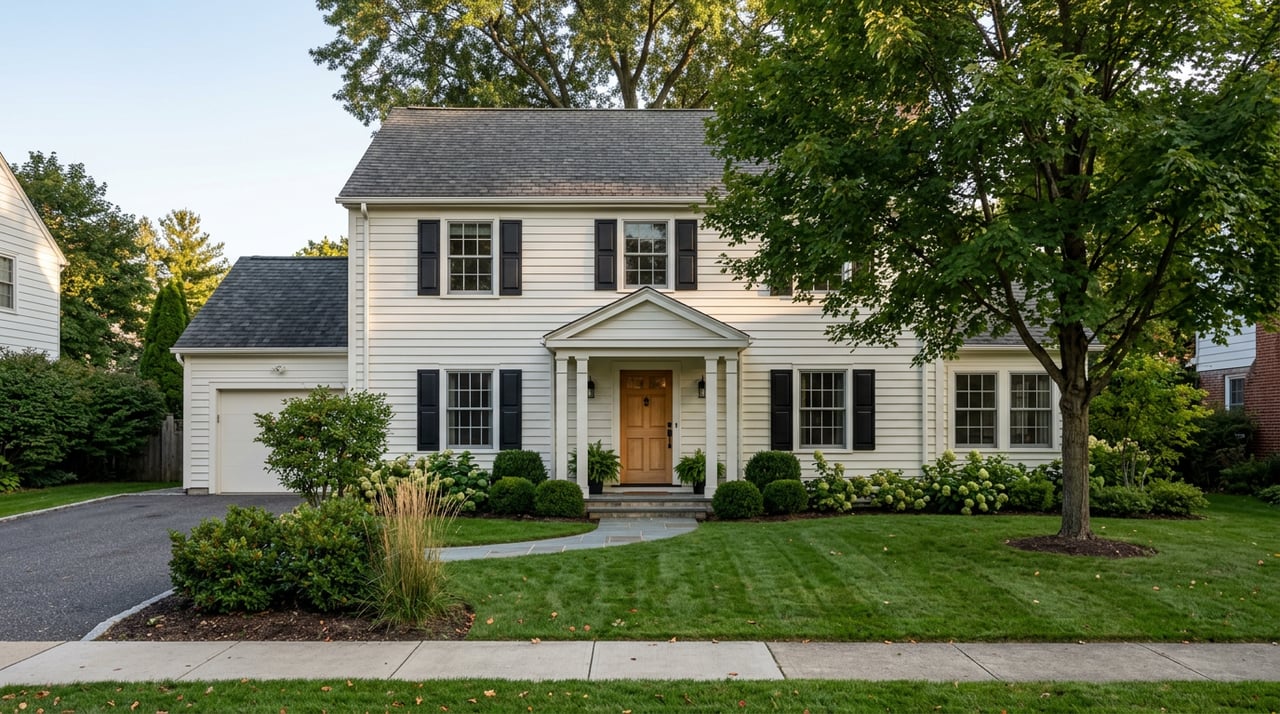
A short drive from Broadway, you will find neighborhoods with more elbow room, garages, and yards. Think classic ranch, colonial, and split-level homes, plus newer construction in planned subdivisions. The feel is quieter street life, with regular school-and-activity runs and quick drives to groceries, parks, and services.
In Wilton, Malta, Ballston Spa, Milton, and nearby areas, lot sizes commonly range from about 0.2 to more than 1 acre in many subdivisions. Driveways and attached two-car garages are typical, which simplifies parking and storage. If you enjoy gardening, hosting barbecues, or letting pets run in a fenced area, suburban neighborhoods deliver that private outdoor space. You trade some walkability for space and privacy.
Most suburban residents rely on a car for daily life. Commutes to Albany or the airport are typically about 30 to 40 minutes via I‑87, depending on time of day and weather. You can still get downtown quickly for a dinner reservation or SPAC performance, but your daily rhythm will likely center around home, school, work, and nearby retail. The upside is easy parking, less seasonal crowding on your street, and a calmer after-dinner scene.
Downtown housing is a mix of condos above shops, apartments, and single-family homes in historic districts. On Union Avenue and North Broadway, you will see notable Victorian and early 20th-century residences that define the city’s architectural character. Properties in historic districts often come with exterior design review and, in many markets, can carry a premium for preserved character.
Expect smaller lots and tighter parking downtown. Condo buildings may include assigned spaces or rely on municipal lots. Many single-family homes have modest backyards, sometimes with a carriage-house garage accessed by an alley. If you are set on a large lawn, a wide driveway, and an attached two-car garage, suburban neighborhoods will fit you better.
Suburban homes tend to be newer and designed for today’s storage and parking needs. Floor plans often feature open kitchens and family rooms, first-floor laundry, and primary suites with larger closets. You give up a few steps to downtown espresso, but you gain daily ease at home.
Two pillars define Saratoga’s annual rhythm. First is the Saratoga Race Course summer meet, which accelerates foot traffic, dining reservations, and short-term demand for housing each year. Second is SPAC’s season of classical residencies and popular-music shows, which brings evening surges around the park and downtown before and after concerts. If you live downtown, you will enjoy the cultural access and also feel the uptick in street activity on show and race days. In the suburbs, you benefit from the region’s energy while experiencing less daily noise or parking pressure.
Published market summaries show median home values in the Saratoga Springs area often in the high 600 thousands to 800 thousand dollar range, with variability by neighborhood and data provider. Downtown and historic districts typically price at a premium compared with suburban ZIP codes. Surrounding towns often offer more square footage or newer construction at a lower price point, though lakeside or estate settings can reverse that dynamic. The right choice comes down to which daily trade-offs matter most to you.
A few practical notes as you evaluate options:
Short-term rentals. The city has been working on licensing and regulations for short-term rentals. If you are evaluating a property for hosting, review the latest local law language before you buy. See a recent proposal here: proposed STR local law.
Schools. For the city, Niche lists Saratoga Springs City School District with an A‑minus rating. Always verify boundaries and compare data directly from district sources to ensure the right fit for your needs.
Check an independent snapshot for the city district: Niche district profile.
Choose downtown if you want:
Choose the suburbs if you want:
When you are ready to map homes to your lifestyle, reach out to Rebekah O'Neil for neighborhood-level guidance, on-the-ground touring plans, and presentation-focused strategies if you are selling. If you are curious about value, you can also start with the site’s instant home valuation tool.
Get assistance in determining current property value, crafting a competitive offer, writing and negotiating a contract, and much more. Contact me today.