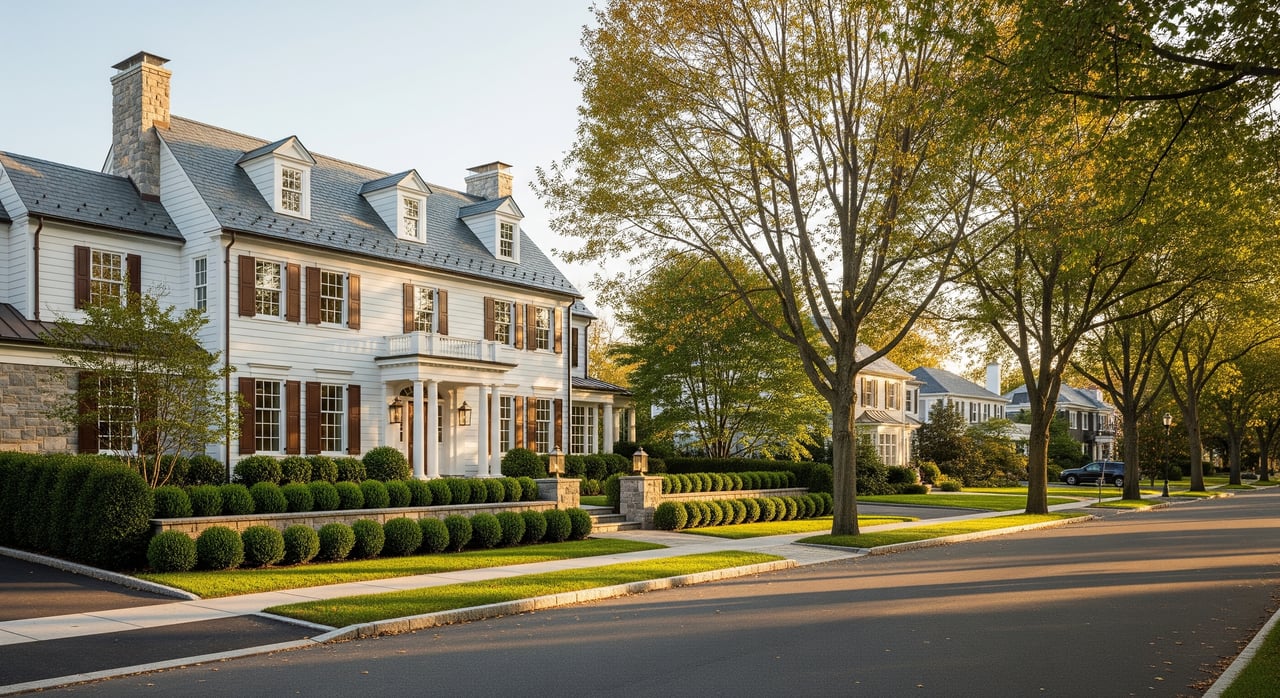
Trying to decide which Clifton Park pocket actually fits your lifestyle? You are not alone. With options that range from convenient town‑center living to quiet acreage, it can be hard to know where to focus. In this guide, you will see how the main neighborhood types compare on commute, housing style, lot size, utilities, schools, and day‑to‑day convenience. You will also get a simple scorecard and checklist to narrow your shortlist. Let’s dive in.
How Clifton Park is laid out
Clifton Park sits in Saratoga County between Schenectady and Saratoga Springs in the Capital Region. Many buyers choose it for suburban neighborhoods, access to services, and the ability to reach major job centers by car. Typical drive times vary by exact address and time of day, but plan on about 20 to 35 minutes to downtown Albany, 20 to 30 minutes to Schenectady, and 25 to 40 minutes to Saratoga Springs.
Public transit is more limited here than in city centers. If you rely on transit, review local service maps and commuter options and look for park‑and‑ride possibilities. Regardless of mode, test your actual route during your typical travel times because traffic on Route 9 and Route 146 changes by season and hour.
Neighborhood types at a glance
Rather than focusing only on subdivision names, it helps to think in terms of pockets. Here are the common options and what you can expect.
Town center convenience
- What it is: Areas near the Route 9 and Route 146 commercial hub where retail, restaurants, and services cluster.
- Housing: A mix of older single‑family homes, duplexes, townhouses, and condos, plus some newer infill.
- Lots and feel: Smaller lots, easier yard care, and more activity than in the outskirts.
- Daily life: Quick access to groceries, medical offices, and dining. Expect more traffic and noise.
- Fit: You want fast errands and lower yard maintenance.
- Trade‑offs: Convenience is high, privacy and lot size are lower.
Suburban subdivisions
- What it is: Planned neighborhoods off Route 146, Route 9, Grooms Road, and Vischer Ferry Road.
- Housing: Mostly newer single‑family homes from the late 1990s to present with modern layouts.
- Lots and feel: Quarter‑acre to roughly one‑acre lots are common, often with cul‑de‑sacs and sidewalks.
- Daily life: Close to parks, schools, and retail. Some neighborhoods include ponds or trails.
- Fit: You want a typical suburban lifestyle with a modern floor plan.
- Trade‑offs: Predictable resale and neighborhood character, but some HOAs and modest lot sizes.
Historic hamlets and riverfront
- What it is: Older hamlets and pockets near the Mohawk River, including the Vischer Ferry area.
- Housing: Older homes, ranches, cottages, and occasional historic properties.
- Lots and feel: Mix of small village lots and larger river‑adjacent parcels with mature trees.
- Daily life: Access to scenic roads, nature preserves, and historic sites.
- Fit: You value character and a unique setting and you are comfortable with older‑home upkeep.
- Trade‑offs: Special properties and scenery, but older systems and less predictable comparable sales.
Rural acreage and equestrian
- What it is: Northern and western fringes where larger lots and agricultural uses are more common.
- Housing: Custom homes, ranches, farmhouses, and properties with barns or workshops.
- Lots and feel: Multi‑acre parcels, privacy, and room for hobbies or animals.
- Daily life: Lower walkability and longer drives for errands.
- Fit: You want space, privacy, and outbuildings.
- Trade‑offs: Higher upkeep, private utilities more likely, and longer winter maintenance responsibilities.
Townhome, condo, and 55‑plus
- What it is: Low‑maintenance communities with HOA‑managed exteriors, including age‑targeted options.
- Housing: Condos and townhomes with shared grounds and smaller private yards.
- Lots and feel: Compact outdoor spaces and community amenities like a clubhouse or pool in some cases.
- Daily life: Lock‑and‑leave convenience with predictable maintenance.
- Fit: You prefer less exterior work, you are downsizing, or you want a simpler routine.
- Trade‑offs: HOA fees and rules, and less private outdoor space.
Compare pockets by what matters
Use these criteria to compare options before you start touring.
- Housing style and size: Match single‑level vs multi‑story, number of bedrooms, and finish level to your lifestyle.
- Lot size and use: Decide if you want room for a garden, play area, or outbuilding, and check local setbacks and accessory structure rules.
- Utilities: Confirm whether each property is on town water and sewer or a private well and septic. Ask for maintenance and inspection records.
- Schools and boundaries: Clifton Park is largely served by the Shenendehowa Central School District. Always confirm school assignment for a specific address and review district communications about any boundary changes.
- Commute and traffic: Drive your route at your actual times. Consider tourist season and winter weather impacts.
- Walkability and errands: List your frequent stops like grocery, pharmacy, primary care, urgent care, and dining, then map distance and time.
- HOA and covenants: Identify fees, what is covered, and any architectural controls or use restrictions.
- Taxes and assessments: Review current tax bills, exemptions, and recent assessment history.
- Future development: Check for planned road changes, subdivisions, or commercial projects that could affect noise, views, or traffic.
- Environmental factors: Verify floodplain status and the presence of wetlands or other regulated features.
- Resale and demand: Look at comparable sales and days on market in the pocket with your agent’s help.
Commute and daily‑life testing tips
- Test the drive: Do a round‑trip at your typical start and end times to Albany, Schenectady, or Saratoga Springs.
- Try an errand run: Time a grocery and pharmacy trip from each pocket you are considering.
- Sample weekends: Visit during peak shopping hours and during quieter mornings to feel the difference.
- Winter check: Ask who plows the road, when it is typically cleared, and how long driveways are if you will maintain them.
- Transit review: If you use transit, review local routes, schedules, and park‑and‑ride options.
Schools and boundaries
School performance and assignments are key factors for many buyers. Most Clifton Park addresses fall within the Shenendehowa Central School District, but boundaries can vary by street. Before you form a short list, identify the assigned elementary, middle, and high schools for each address. Then review official district pages and state report cards for current program information. If schools matter for your decision, verify the assignment in writing during your due diligence.
Taxes, utilities, and HOAs
Property taxes reflect assessments from Saratoga County, the Town of Clifton Park, and the local school district. Ask for the current tax bill, any exemptions, and the recent assessment history for each property. Utilities vary across the town. Many subdivisions are on public water and sewer, while rural and some hamlet properties may use private wells and septic systems. For private systems, request well logs, septic permits, and recent inspection results.
Where an HOA is present, ask for fees, budgets, reserve balances, and the rules that affect exterior changes, parking, pets, and rentals. Understand what is included, such as lawn care or snow removal in some communities, and what remains your responsibility.
Floodplains and environmental checks
Clifton Park includes riverfront and low‑lying areas where floodplains and wetlands can be a factor. Before you fall in love with a property, check its FEMA flood zone status and look for mapped wetlands or other state‑regulated features. Walk the lot to spot drainage patterns, slope, and any signs of erosion or standing water after rain. Environmental details can affect insurance, improvements, and long‑term maintenance.
Use a scorecard to shortlist
Turn your research into a clear decision with a simple scorecard. Start by listing non‑negotiables like school district, maximum commute time, and minimum lot size.
Then weight your categories and score each pocket on a 1 to 5 scale. A sample weighting looks like this:
- Commute time: 25%
- School assignment and programs: 20%
- Lot size and privacy: 15%
- Proximity to daily amenities: 15%
- Housing style and age match: 10%
- HOA and maintenance preferences: 10%
- Resale potential: 5%
Add the weighted totals and pick the top two or three pockets for in‑person tours. Use your tours to confirm utilities, taxes, and neighborhood feel. Update your scores with real numbers gathered on site.
What to ask and look for
Bring this checklist to showings and neighborhood drives so you gather facts, not guesses.
Essentials to ask
- Public water and sewer or private well and septic, with logs and inspection history if private.
- Exact school assignments for the address and any planned boundary changes.
- Current property tax bill, assessed value, and exemptions.
- HOA presence, fees, and what the fees cover.
- Any pending or approved variances, subdivisions, or commercial projects nearby.
- Dates for roof, heating, cooling, septic, well, and panel updates.
- Whether any portion of the lot lies in a flood zone or mapped wetland.
- Road ownership and winter plowing responsibility and timing.
On‑site observations
- Traffic and noise at morning, midday, and evening.
- General upkeep of nearby properties as a sign of neighborhood maintenance.
- Cell service strength and internet options.
- Lot slope, drainage, and any visible erosion.
- Presence of sidewalks, street lighting, and safe street connectivity for pets and recreation.
Documents to request before offering
- HOA governing documents, budgets, and recent meeting minutes.
- Seller disclosures and any well, septic, or municipal certificates.
- Recent utility bills for heating, cooling, and water.
- Copies of recent and prior tax bills and assessments.
Which Clifton Park pocket fits you?
- Choose the town center hub if you value fast errands, smaller yards, and easy access to services.
- Choose a suburban subdivision if you want modern layouts, sidewalks, and proximity to parks and retail.
- Choose a historic hamlet or riverfront pocket if you want character and scenic surroundings and you accept older‑home care.
- Choose rural acreage if privacy, outbuildings, and space for hobbies top your list.
- Choose a townhome, condo, or 55‑plus community if you want low‑maintenance living and predictability.
You do not need to pick alone. If you want a local, patient guide to compare pockets and tour the right homes, reach out to Rebekah O’Neil. With deep Clifton Park knowledge, practical property insight, and steady advocacy, she will help you choose with confidence.
FAQs
What is the best Clifton Park area for a shorter Albany commute?
- Pockets closer to Route 87 and the Route 146 corridor often offer shorter drive times, but you should test your exact route during your typical rush hour to verify.
How do I confirm Shenendehowa school assignment for a property?
- Ask for the address‑specific school assignment from official district resources and verify in writing during your due diligence before making an offer.
Are Clifton Park homes on public sewer or private septic systems?
- It varies by pocket; many subdivisions have public utilities while rural and some hamlet areas use private wells and septic, so confirm system type and request inspection records.
How can I check for flood risk on a Clifton Park property?
- Review FEMA flood maps for the parcel, walk the site after rain to note drainage, and consult local resources for any mapped wetlands or restrictions.
What should I expect from HOAs in Clifton Park subdivisions?
- Expect rules that may cover exterior changes and maintenance along with monthly or annual fees that can include items like lawn care or snow removal, so read all documents before offering.
How crowded do Route 9 and Route 146 get during peak hours?
- Traffic levels vary by season and time of day, so run a few test drives at the exact times you would travel to understand real conditions.