Buying An Older Home In Loudonville: What To Look For
April 23, 2026
April 23, 2026
Wondering whether an older home in Loudonville is a hidden gem or a future repair list? That is a smart question to ask, especially in a place where much of the housing stock was built decades ago and many homes come with mature landscaping, established streetscapes, and classic architectural details. If you are thinking about buying an older home here, knowing what to look for can help you protect your budget, negotiate with confidence, and appreciate the character without getting blindsided by costly surprises. Let’s dive in.
Loudonville is a hamlet in the Town of Colonie in Albany County, and its housing profile helps explain why older-home questions come up so often. According to the U.S. Census Bureau QuickFacts for Loudonville, the area has 4,101 housing units, a 94.9% owner-occupied rate, and about 94% detached single-family homes.
Age is a major part of the local story. Census-based housing estimates show that roughly 67% of Loudonville homes were built before 1970, and about 79% were built before 1980. That means if you are shopping in Loudonville, there is a good chance you will tour homes with older systems, layered renovations, and long-term maintenance histories.
Some properties may also sit near or within historically significant areas. The National Register nomination for Colonie resources references the Loudon Road Historic District and notable Loudonville landmarks, which adds another layer of context for buyers comparing charm, preservation, and future updates.
When you walk into an older home, it is easy to notice hardwood floors, trim detail, built-ins, or a beautiful facade. Those details matter, but the bigger financial story is usually behind the walls, above the ceilings, and below the basement floor.
According to Fannie Mae’s home inspection guidance, standard inspections typically review electrical, gas, plumbing, roofing, insulation and ventilation, heating and cooling, fireplaces and venting, foundation or crawlspaces, grading, and windows. These are the areas that most often shape your short-term costs and long-term peace of mind.
A fresh coat of paint can make a home feel updated. A newer roof, updated electrical service, solid drainage, and a well-maintained foundation usually matter much more. In older Loudonville homes, it is wise to treat cosmetic appeal as secondary until you understand the condition and age of the major systems.
Roof age and condition can affect both your immediate budget and your ability to negotiate repairs or credits. The Consumer Financial Protection Bureau notes that major repairs, such as a new roof, can impact closing and may be negotiated after inspection.
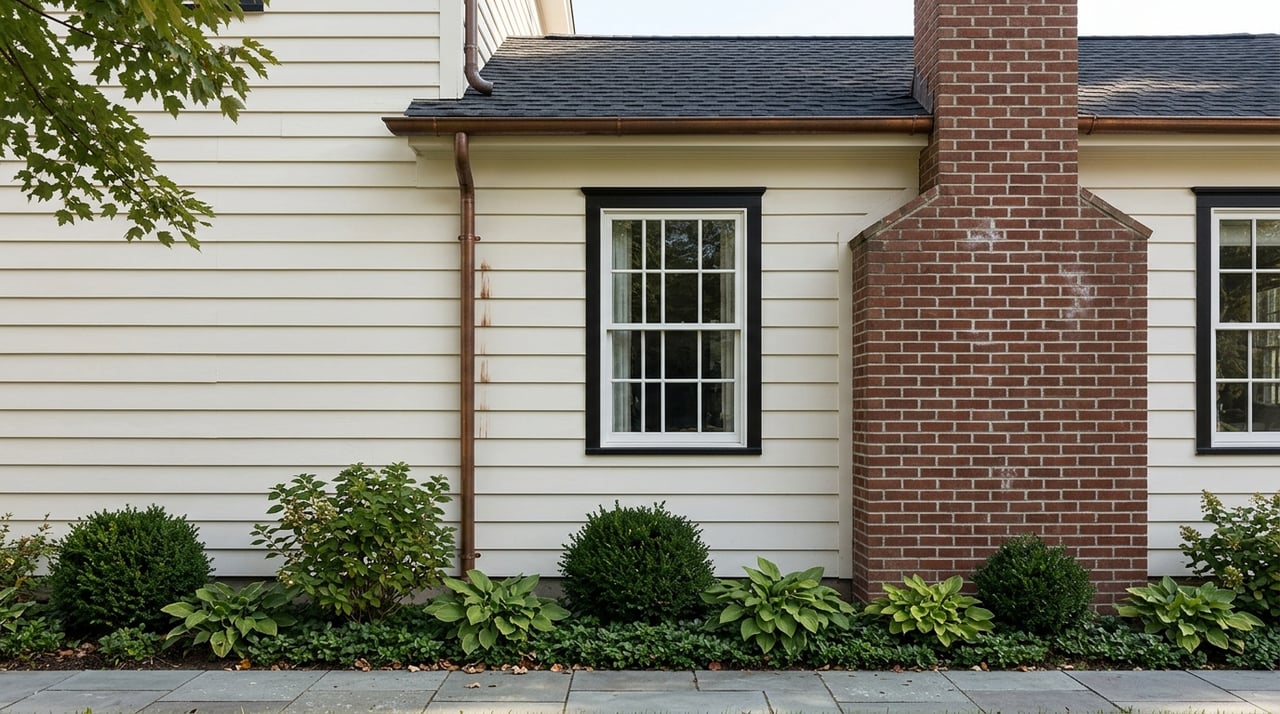
As you tour, watch for clues that water may have been getting in over time. Stains on ceilings, peeling paint, musty basement smells, chimney deterioration, and window trim damage can all point to moisture issues. Ask whether there is evidence of roof, basement, chimney, or window water intrusion, since water problems often create costs that spread beyond one visible area.
A cracked foundation is one of the serious issues an inspection can uncover, according to the CFPB. Not every crack means a major structural problem, but foundation concerns deserve careful review because they can affect the home’s stability, moisture levels, and future repair needs.
Drainage also matters more than many buyers expect. Grading around the home, downspout placement, and basement moisture can tell you a lot about how well the property has been maintained. In older homes, poor drainage can quietly contribute to foundation movement, water intrusion, and repeated patchwork fixes.
Older homes often have a mix of original systems and later upgrades. That is not automatically a problem, but you do want clarity about what has actually been replaced and when.
Ask for the age of the electrical panel, heating and cooling equipment, plumbing updates, and water heater. Fannie Mae recommends factoring the expected lifespan of major components like the roof, windows, HVAC system, and appliances into your budget. A home that looks beautifully updated but still has aging mechanicals may cost more in year one than a less polished home with newer core systems.
If the home was built before 1978, lead-based paint should be part of your due diligence. The EPA and CDC say homes built before 1978 are likely to contain some lead-based paint, and the EPA notes that lead paint is usually not harmful when it remains in good condition.
For the oldest homes, the issue becomes even more relevant. The EPA reports that 87% of homes built before 1940 have some lead-based paint, and Loudonville has a meaningful share of housing from 1939 or earlier. Friction surfaces like windows and doors deserve extra attention because those areas can create lead dust as painted surfaces rub together.
If you are buying most pre-1978 homes, you have important protections. Under the EPA’s lead-based paint disclosure rule, buyers generally have the right to receive lead disclosures, an EPA pamphlet, and a 10-day opportunity to inspect or assess for lead hazards before signing.
This does not mean every older home is unsafe. It means you should slow down, review the available information, and ask better questions about past renovations and current paint condition.
Renovation history matters in any older home, but especially in homes built before 1978. The EPA’s lead law fact sheet explains that sanding, cutting, or replacing windows can create hazardous lead dust, which is why it is important to ask whether prior work was done using lead-safe methods and certified contractors.
If windows were replaced, trim was disturbed, or walls were opened during remodeling, ask whether invoices, contractor records, or other documentation are available. Well-documented work gives you a clearer picture of both quality and risk.
One of the biggest mistakes buyers make with older homes is assuming that updated style equals updated systems. New lighting, paint colors, and flooring can make a home feel move-in ready, but they do not tell you much about the age of the roof, mechanicals, or drainage.
A more useful approach is to divide what you see into two categories:
That distinction follows directly from inspection guidance from Fannie Mae and practical maintenance priorities. Cosmetic work is often easier to plan for. System replacements usually drive the larger near-term costs.
When a seller says a home has been updated, try to learn exactly what that means. Were the updates recent? Were they partial or whole-house improvements? Are there permits, invoices, warranties, or service records?
Good buyer questions include:
In a market like Loudonville, where many homes date back several decades, these are not picky questions. They are practical questions that can help you estimate future costs more accurately.
A general home inspection is an important first step, but it is not always the final step. Fannie Mae advises that if an inspector suspects pests, radon, asbestos, mold, or lead, you should bring in a specialist.
That added layer of diligence can be especially useful in older homes, where one issue may overlap with another. For example, water intrusion can lead to mold concerns, and renovation work in an older home can raise lead questions. A specialist evaluation may feel like one more expense up front, but it can also prevent a much larger surprise later.
The purchase price is only one piece of the decision. Fannie Mae notes that homeowners insurance rates can depend in part on a home’s age, size, location, and deductible, so older homes may affect your monthly carrying costs as well.
You should also plan for routine upkeep from the start. Fannie Mae’s maintenance guidance emphasizes that regular care can help prevent larger and more expensive repairs. In an older home, small deferred items can stack up quickly if they are ignored.
A smart budget often includes:
If you are drawn to a home because of its architecture or location along a notable corridor, it is worth checking whether it has historic designation or sits within a historic district. The New York State Historic Preservation Office explains that the State and National Registers are official lists of historic properties and that the Cultural Resource Information System, or CRIS, can be used to check whether a property is listed.
For buyers, this is less about avoiding a home and more about understanding context before making future plans. If you hope to make exterior changes or major renovations, knowing the property’s status early can help you ask the right questions.
Older homes in Loudonville can offer a lot: established settings, distinctive design, and details that newer homes may not have. The key is to pair that appreciation with careful due diligence.
If you focus on major systems, ask about renovation history, understand lead-related risks, and use your inspection period wisely, you can make a more confident decision. Character should be a bonus, not a substitute for knowing what you are buying.
If you are thinking about buying in Loudonville and want a patient, practical guide through the process, Rebekah O'Neil can help you evaluate homes with both heart and clear eyes.
Get assistance in determining current property value, crafting a competitive offer, writing and negotiating a contract, and much more. Contact me today.